Trusted dental implants with durable and natural looking restorations
Trusted dental implants with durable and natural looking restorations
Blog Article
A Thorough Analysis of Dental Implants: Your Road to a Beautiful Smile
Dental implants mark a substantial advancement in restorative dentistry. They provide a trustworthy answer for individuals with missing teeth, presenting both functionality and aesthetic appeal. The procedure involves a surgical component that fuses the implant with the jawbone. Understanding the multiple aspects of dental implants, from the treatment to sustained care, is vital for anyone considering this option. What factors should one examine before making such a decision?

What Are Dental Implants and How Do They Perform?
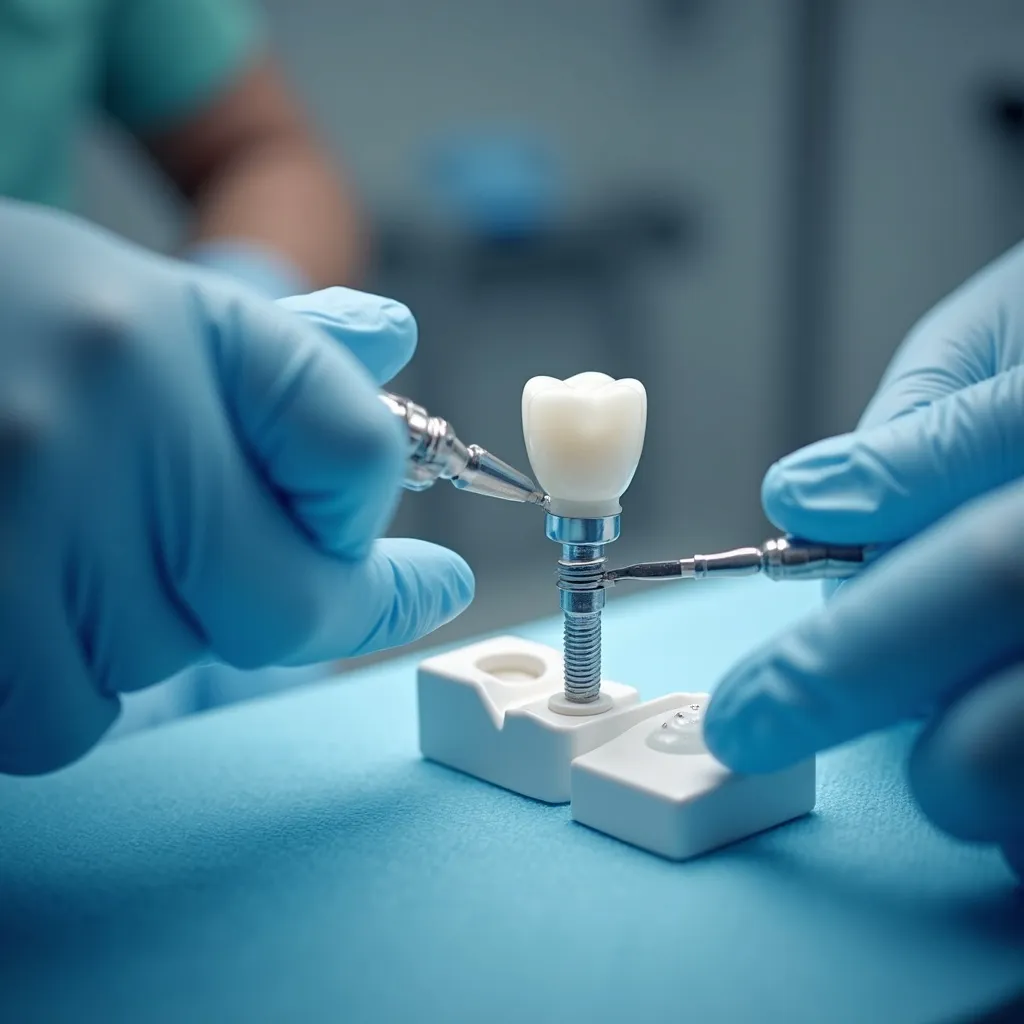
Dental implants act as a cutting-edge way for replacing missing teeth, providing both use and aesthetics. These implants are made up of a titanium post that is embedded into the jawbone, serving as a root for a new tooth. Once the post integrates with the bone—through osseointegration—it forms a stable base for attaching a crown, dental bridge, or denture. The procedure generally includes various phases, starting with a thorough check and imaging to evaluate jaw health and bone density. After implant placement, a healing phase is required to ensure proper integration. Then, an abutment is connected to the post to support the final restoration. Dental implants improve chewing ability and speech while also helping to maintain facial structure by preserving bone mass. In summary, they provide a long-lasting and trustworthy option for tooth replacement, improving both oral health and self-confidence.
Upsides to Picking Dental Implants for Gone Teeth
Numerous individuals find that opting for dental implants provides substantial advantages compared to traditional tooth replacement alternatives. Dental implants offer a permanent solution to missing teeth, effectively copying the look and performance of natural teeth. Unlike dentures, they do not slip or require adhesives, improving ease and confidence.
In addition, implants support the preservation of jawbone integrity by enhancing bone formation, which avoids the deterioration that frequently follows tooth loss. This retention of skeletal form enhances a more youthful facial appearance.
Furthermore, dental implants are durable and can endure for decades with appropriate maintenance, rendering them an economical choice in the long run. They also enhance oral health by allowing easier entry to surrounding teeth for cleaning and maintaining overall hygiene.
In the final analysis, the choice to go with dental implants can contribute to enriched lifestyle, improved self-esteem, and a restored aptitude to enjoy foods without restriction.
An In-Depth Tutorial Outlining the Dental Implant Procedure Progressively
Grasping the dental implant procedure can shed light on the steps for those considering this transformative option. The process typically begins with a complete evaluation, incorporating X-rays and a treatment plan tailored to the patient's needs.
Then, the oral surgeon anchors a titanium post into the jawbone, serving as the implant's root. This step may necessitate a convalescence period of several months to ensure successful osseointegration, where the bone integrates with the implant.
After recovery, an abutment is secured to the post, which will retain the replacement tooth. Impressions are subsequently captured to produce a custom crown that resembles the patient's natural teeth.
Finally, the crown is securely placed on the abutment, completing the implant process. Post-procedure care involves regular dental check-ups and maintaining good oral hygiene to prolong the longevity of the implant.
Why Opt for Dental Implants Versus Other Alternatives?
While examining tooth replacement options, individuals often find themselves weighing the benefits of dental implants against alternatives such as bridges and dentures. Dental implants provide a permanent solution, mimicking the look and feel of natural teeth. Unlike dentures, which can shift or require adhesives, implants are securely anchored into the jawbone, delivering enhanced stability and comfort.
Furthermore, dental implants aid in maintaining bone density by engaging the jaw, reducing the bone deterioration that typically happens after tooth loss. This consideration is critically important for keeping facial structure and preventing premature aging. In addition, implants do not affect adjacent teeth, unlike bridges, which demand alteration of healthy enamel.
Patients also like the ease of maintenance associated with dental implants. They can be maintained like natural teeth, necessitating regular brushing and flossing without the necessity for special adhesives or cleaning solutions. Overall, dental implants present a durable and reliable option for those desiring long-term tooth replacement solutions.
Debunking Common Misconceptions About Dental Implants
Which false beliefs exist about dental implants? A lot of people think that dental implants cause pain and require a lengthy recovery period. In fact, the procedure is generally performed under local anesthesia, and pain is usually minimal, comparable to tooth extraction. Another popular myth claims dental implants are only for older adults; however, they're suitable for anyone with healthy gums and enough bone. Some people also worry implants might look artificial, but modern techniques ensure they closely match natural teeth. Additionally, it's often misunderstood that dental implants lack durability, but with proper care, they can last a lifetime. Lastly, many think the procedure is too expensive, overlooking the long-term savings, since implants can prevent future dental work that other tooth replacement options might require. Addressing these myths is important for proper understanding about dental health.
What You Should Understand and Guide to Caring for Your Tooth Implants Following Surgery
After discussing common misconceptions about dental implants, it's important to explain what patients can expect during the recovery process and how to care for their implants post-surgery. At first, patients may undergo inflammation, pain, and minor bleeding, which can be managed with doctor-recommended pain medication and ice packs.
Following the process, adhering to a soft-food diet is recommended to avoid discomfort. Oral hygiene remains critical; gentle brushing and rinsing with a non-alcoholic mouthwash help maintain cleanliness around the implant site.
Patients should avoid smoking and reduce intense exercise for at least a week to promote healing. Regular follow-up appointments with the dental provider are crucial to monitor the healing process and handle any issues. By understanding these care instructions, patients can enhance the longevity and success of their dental implants, leading to a healthier smile.
Advice for Sustained Maintenance of Your Dental Implants
Upkeeping dental implants requires steady daily oral care and routine dental appointments. These important measures help confirm the endurance and usefulness of the implants. By maintaining a disciplined care routine, individuals can considerably elevate their total oral wellness.
Everyday Oral Care Habits
Effective everyday oral hygiene practices are crucial for the longevity of dental implants. Individuals with implants should clean their teeth at least twice a day using a soft-bristled toothbrush and non-abrasive fluoride toothpaste. Flossing is just as important; specialized floss or interdental brushes can properly clean around implants and prevent plaque buildup. Rinsing with an antimicrobial mouthwash can help lower harmful bacteria in the mouth. It is essential to pay special attention to the gum line and any surrounding natural teeth to maintain overall oral health. Regularly replacing toothbrushes every three months ensures ideal cleaning. By adhering to these practices, implant recipients can considerably enhance the lifespan and appearance of their dental implants, contributing to a radiant smile for years to come.
Routine Oral Checkups
Habitual dental checkups represent a crucial role in the prolonged maintenance of dental implants. These appointments permit dental professionals to review the circumstances of both the implants and tissue in the area, ensuring that any probable complications are treated promptly. During these visits, thorough examinations and cleanings help prevent complications such as infections or gum disease, which can damage the integrity of the implants. Additionally, dentists can offer individualized counsel on maintaining dental wellness suited for implant care. Regular X-rays may also be taken to measure bone health and implant find details about stability. By maintaining routine checkups, patients can substantially enhance the longevity and success of their dental implants, leading to a healthier and more poised smile.
Often Asked Inquiries
Do artificial tooth roots fit everyone?
Not all individuals are candidates for dental implants. Aspects such as age, oral health, bone density, and medical conditions play important roles in determining eligibility. A in-depth assessment by a dental provider is required for personalized recommendations.
How Long Do Dental Implants Endure?
Dental implants commonly last 10 to 15 years, based on factors like oral hygiene, lifestyle, and insertion method. With proper care, some can last even longer, offering a long-lasting solution for missing teeth.
What Are the Costs for Implant Teeth?
The cost of dental implants typically falls between $3,000 to $4,500 per implant. Price-determining factors include the dentist's expertise, location, and any additional procedures required, such as bone grafting or sinus lifts.
Can I receive tooth implants as a tobacco user?
Yes, people who smoke can obtain dental implants; however, smoking may slow healing and increase the risk of complications. Consulting a dental professional is important to assess individual circumstances and manage potential risks successfully.
How Uncomfortable Is the Dental Implant Process?
The dental implant procedure typically involves some pain, but dentists often provide local anesthesia to minimize pain. Post-operative tenderness can occur, lasting a few days, but most patients find the experience manageable with appropriate care.
Report this page